
What Happens Inside an ICU: A Guide for Patients and Families
Life inside the Intensive Care Unit (ICU) might seem overwhelming—complex machines humming and lights blinking—but its core role is keeping people alive during their weakest moments. Around five million individuals enter these units annually across India. By 2026, technology blends with human skill; robotic assistance and smart systems run parallel to doctors and nurses. Understanding how decisions unfold helps relatives replace fear with a sense of control. What looks like chaos from the outside reveals a careful rhythm once observed closely.
The Ever-Watchful Network
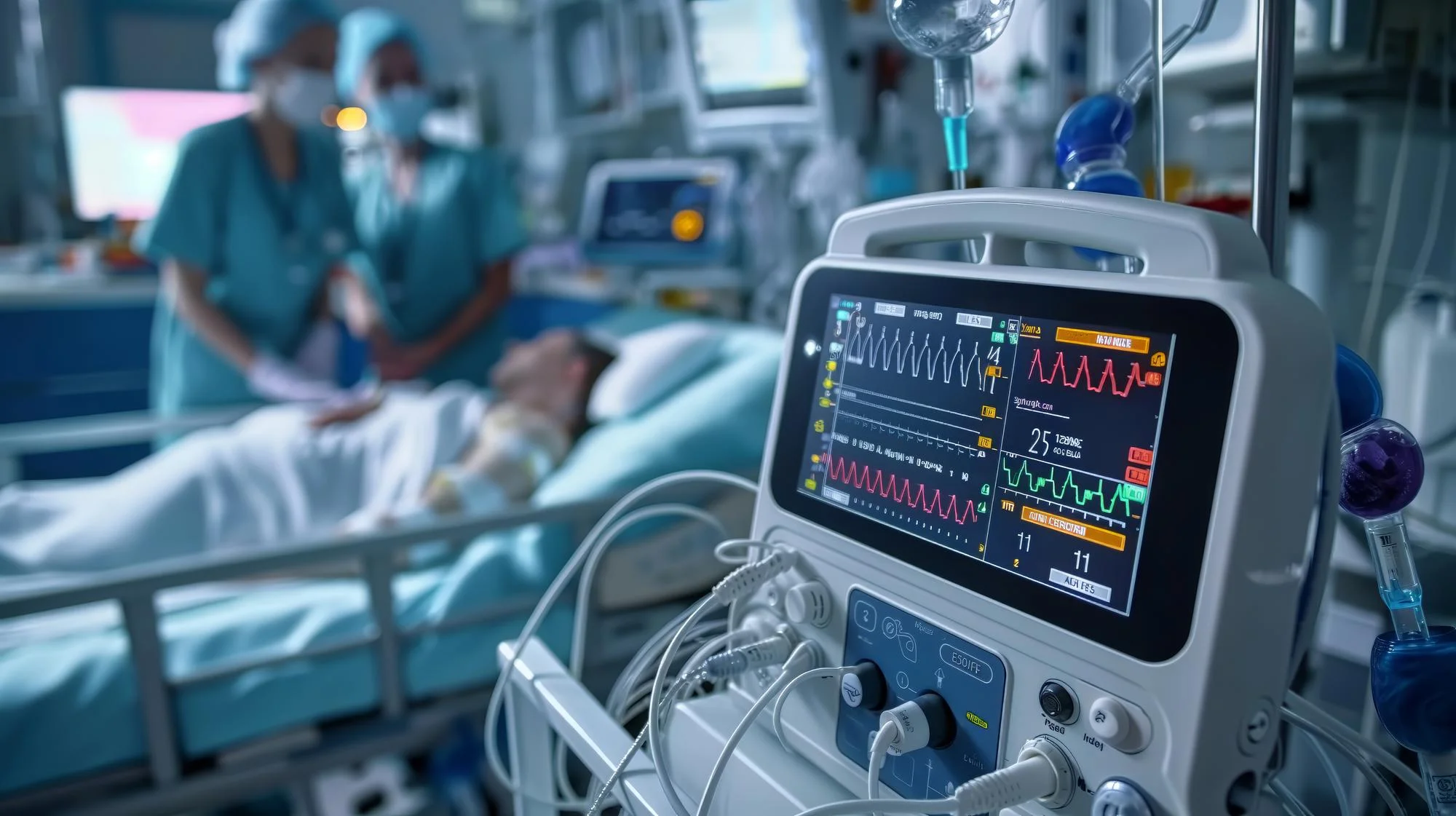
Most patients in an ICU receive one-on-one nursing care. Because of this tight observation, vital shifts are caught immediately. Each bedside connects to a centralized system updating heart rate, blood pressure, and oxygen levels nonstop.
By 2026, these devices run alongside forecasting software, spotting warning signs like falling circulation or rising brain pressure nearly 30 minutes before visible symptoms appear. This lead time allows care teams to respond proactively rather than in crisis mode. Such predictive monitoring is especially vital for patients with unstable hemodynamics, where a five-minute delay in intervention could lead to organ oxygen deprivation.
Artificial Lungs and Kidneys
If an organ system stops working, machines temporarily do its job. Breathing support often comes from a ventilator. By 2026, these devices follow "lung-protective" methods, limiting air pressure to keep tiny air sacs intact. Protection of these structures becomes possible because settings adapt precisely to each patient’s lung compliance in real-time.
For failing kidneys, CRRT (Continuous Renal Replacement Therapy) is used. Unlike standard dialysis, it operates nonstop—similar to how healthy kidneys filter waste slowly. This eases strain on the cardiovascular system, making it suitable for patients with erratic blood pressure. By managing cleanup duties, these machines free up the body's resources to heal wounds or fight infections. Without this continuous filtration, metabolic toxins could accumulate, further stressing the already fragile neurological and cardiac systems.
Sedation and Pain Control
Families frequently worry about seeing a relative lying still and unresponsive. This state, called therapeutic sedation, is a planned medical choice. It keeps patients from resisting breathing machines, which could otherwise trigger faster heartbeats and deeper physical strain.
Today’s approach favors lighter sedation. "Sedation holidays"—moments when patients are gently roused—let physicians check awareness. These brief pauses can cut ICU stays by nearly 25% and reduce instances of post-operative confusion. It also allows the patient to potentially communicate basic needs, such as pain levels or comfort, through non-verbal cues before being resedated for continued stability.
The Multidisciplinary Team: Who Is In Charge?
Treatment is led by an intensivist, a doctor handling complex critical care decisions. However, they are supported by a vast team:
- Critical Care Nurses: They handle intricate medication delivery and monitor changes minute-by-minute.
- Respiratory Therapists: Experts who manage ventilator settings and lung hygiene.
- Clinical Pharmacists: They review complex medication mixes—sometimes over ten simultaneous infusions—to ensure combinations remain safe and chemically compatible.
- Physiotherapists: They guide limb movement even during sedation to reduce muscle loss and support early recovery.
Stopping Infections with Sterile Protection
With weakened immune systems and invasive lines, stopping infection is a top priority. By 2026, many units rely on UVC robots and copper-coated antimicrobial surfaces. Protection also depends on family members; cleaning hands and wearing gowns or masks guards the patient and blocks dangerous germs from moving through the ward. Following these safety "bundles" cuts hospital-based infections nearly in half. This sterile guard extends to "line care," where nurses use antiseptic techniques every time they access a patient's intravenous ports to prevent bloodstream infections.
Family Connections and Conversations
Modern healthcare sees family involvement as essential. Many units now follow Open ICU models with flexible visitation. By 2026, tele-ICU systems let distant relatives join morning discussions through encrypted video. Honest dialogue between clinicians and loved ones ensures therapy remains in line with the patient’s values. Families provide the "human narrative," sharing the patient’s prior health status and personal wishes, which helps the intensivist tailor the long-term care plan beyond just the biological data on the monitors.
The Journey Through Step-Down and Healing
Movement toward a "step-down" setting marks an important shift. Gradual decreases in ventilator support or blood pressure drugs—a process called weaning—must move at its own pace to avoid risk. If weaned too quickly, the heart may become overwhelmed by the sudden increase in work.
Once out of the ICU, some patients face PICS (Post-Intensive Care Syndrome), where muscles feel weak and thinking feels clouded. Spotting these signs early makes later healing smoother. Tailored rehab programs, involving speech therapy and psychological support, are essential for a full return to normal life. This transition phase is critical, as it bridges the gap between high-intensity life support and independent living.
Conclusion
When body systems struggle, close monitoring in a focused setting keeps basic processes stable. Though risks exist during serious sickness or after operations, round-the-clock observation reduces harm and supports healing. Care from skilled teams at established centers such as Sundaram Medical Foundation (SMF) in Chennai brings both expertise and empathy into one place. Because delays can worsen outcomes, spotting danger signs early makes later steps more effective. Behind every strong response lies careful evaluation—often beginning within hours of admission.

✓ Medically Reviewed
Reviewed for medical accuracy by registered doctors at SMF
Meet Our Medical Review Board